Food and beverage freight you can rely on
Food and beverage freight demands speed, hygiene and, often, temperature control. Gelle Transport moves packaged food, beverages, ingredients and food-processing equipment with careful handling.
The challenge for food & beverage shippers
Shelf life, temperature and hygiene requirements make careful handling and fast transit essential.
What we move
- Packaged food
- Beverages
- Ingredients
- Food-processing equipment
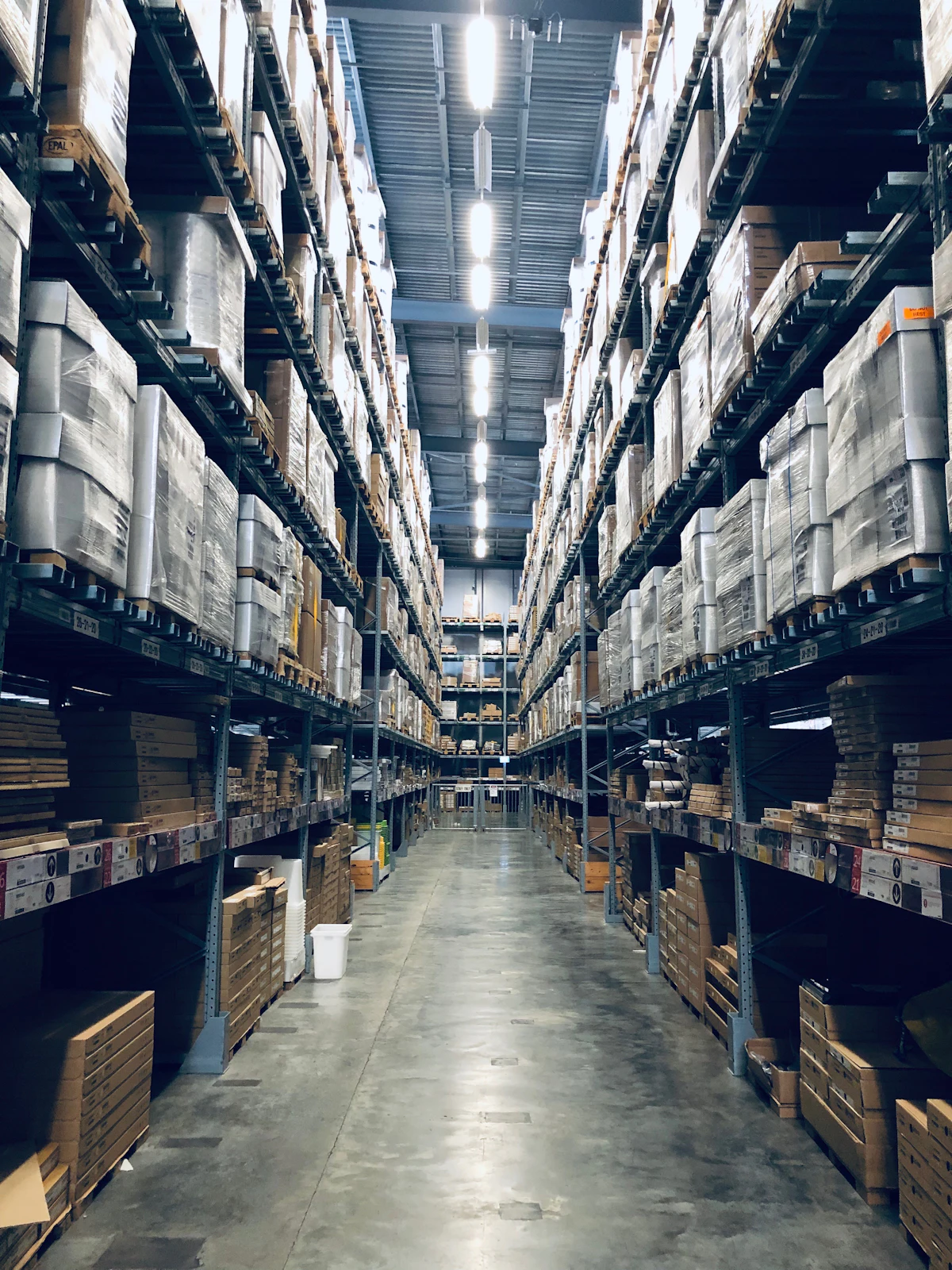
Food & Beverage freight in the United States
We provide dry van capacity for shelf-stable food and beverages and arrange temperature-controlled transport through qualified partners when needed.
Exporting food & beverage cargo from the USA to Kenya
Food imports to Kenya are regulated, and many products need approvals and conformity certification before shipment. Food-processing equipment, packaging machinery and shelf-stable products can be shipped by sea or air once requirements are confirmed.
Compliance and handling
Always confirm Kenyan permits and labelling rules before shipping food. Perishables require temperature-controlled options, which we confirm before booking.
FTL, LTL or intermodal: choosing the right option
| Full truckload (FTL) | Less than truckload (LTL) | Intermodal | |
|---|---|---|---|
| Typical size | About 10+ pallets, or a full trailer | 1–6 pallets | Full container or trailer |
| Handling | Direct, no transfers | Shared trailer, terminal transfers | Truck to rail to truck |
| Speed | Fastest door to door | Slower, depends on network | Competitive on long lanes |
| Best for | Large, fragile or urgent freight | Small, palletised shipments | Long-distance, cost-sensitive freight |
How to prepare your freight
Air freight vs sea freight to Kenya
| Air freight | Sea freight | |
|---|---|---|
| Typical door-to-door time | About 5–10 days | About 4–7 weeks |
| Arrival point | JKIA, Nairobi | Port of Mombasa (and Nairobi/Naivasha ICDs by rail) |
| How it is priced | Per kg of chargeable weight (actual or volumetric, whichever is greater) | Per cubic metre (LCL) or per 20ft/40ft container (FCL) |
| Best for | Urgent, light, compact and high-value goods | Heavy, bulky and high-volume cargo, vehicles and household moves |
| Watch out for | Batteries, aerosols and dangerous goods are restricted | Port storage charges if documents are not ready on arrival |
Documents you will need
Requirements depend on what you ship, but most consignments to Kenya need the following:
- Commercial invoice — description and value of every item
- Packing list — itemised contents, weights and dimensions
- Bill of lading or air waybill — issued for the main transport leg
- Importer’s KRA PIN — the receiver’s Kenya Revenue Authority PIN
- Certificate of Conformity — for goods covered by the KEBS PVoC programme
- ID / passport copy — of the shipper and receiver
Regulated goods (food, medicines, chemicals, vehicles, some electronics) may need extra approvals from the relevant Kenyan agency. Ask us before you buy or ship. See our guide: documents required to import goods into Kenya.
Our process
- 01
Understand your freight
Products, volumes, schedules and any special handling or regulatory requirements.
- 02
Plan the right mode
Truckload, LTL or intermodal in the US; air or ocean for Kenya.
- 03
Move and monitor
On-time pickup, secure transport and proactive updates from dispatch.
- 04
Deliver and confirm
Proof of delivery in the US; clearance coordination and delivery in Kenya.
Why food & beverage businesses choose Gelle Transport
One partner
US trucking and Kenya-bound freight with the same team.
Safety first
Secure load restraint and careful handling.
Diverse supplier
Woman- and minority-owned — supports supplier diversity goals.
Food and beverage freight FAQs
Do you provide food and beverage freight in the USA?
Yes. We offer FTL, LTL, dedicated, expedited and intermodal freight from our Kansas City base across the continental US.
Can you ship Food & Beverage cargo from the USA to Kenya?
Yes, by air to Nairobi or by sea to Mombasa, with delivery across Kenya, subject to any permits the goods require.
What documents are required?
Usually a commercial invoice, packing list and transport document, plus product-specific certificates or permits. Always confirm Kenyan permits and labelling rules before shipping food. Perishables require temperature-controlled options, which we confirm before booking.
Can you handle recurring Food & Beverage freight?
Yes — ask about dedicated capacity on your regular lanes or scheduled consolidations to Kenya.
How do I get a quote?
Use our quote form, WhatsApp us or call +1 (816) 482-2607.